Branded Short Link Creator: A Complete Guide to Creating Better Short URLs
What Is a Branded Short Link Creator?
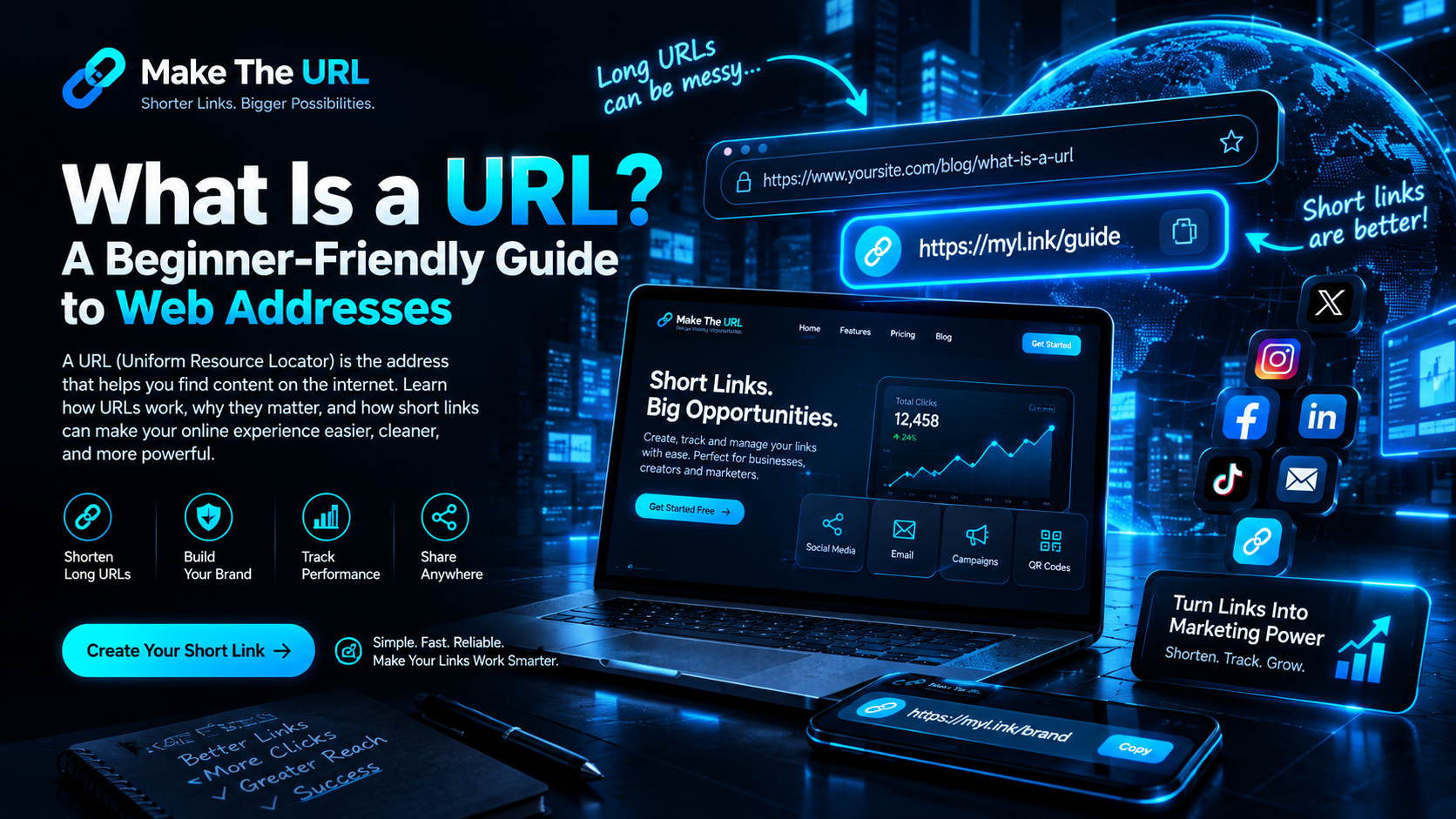
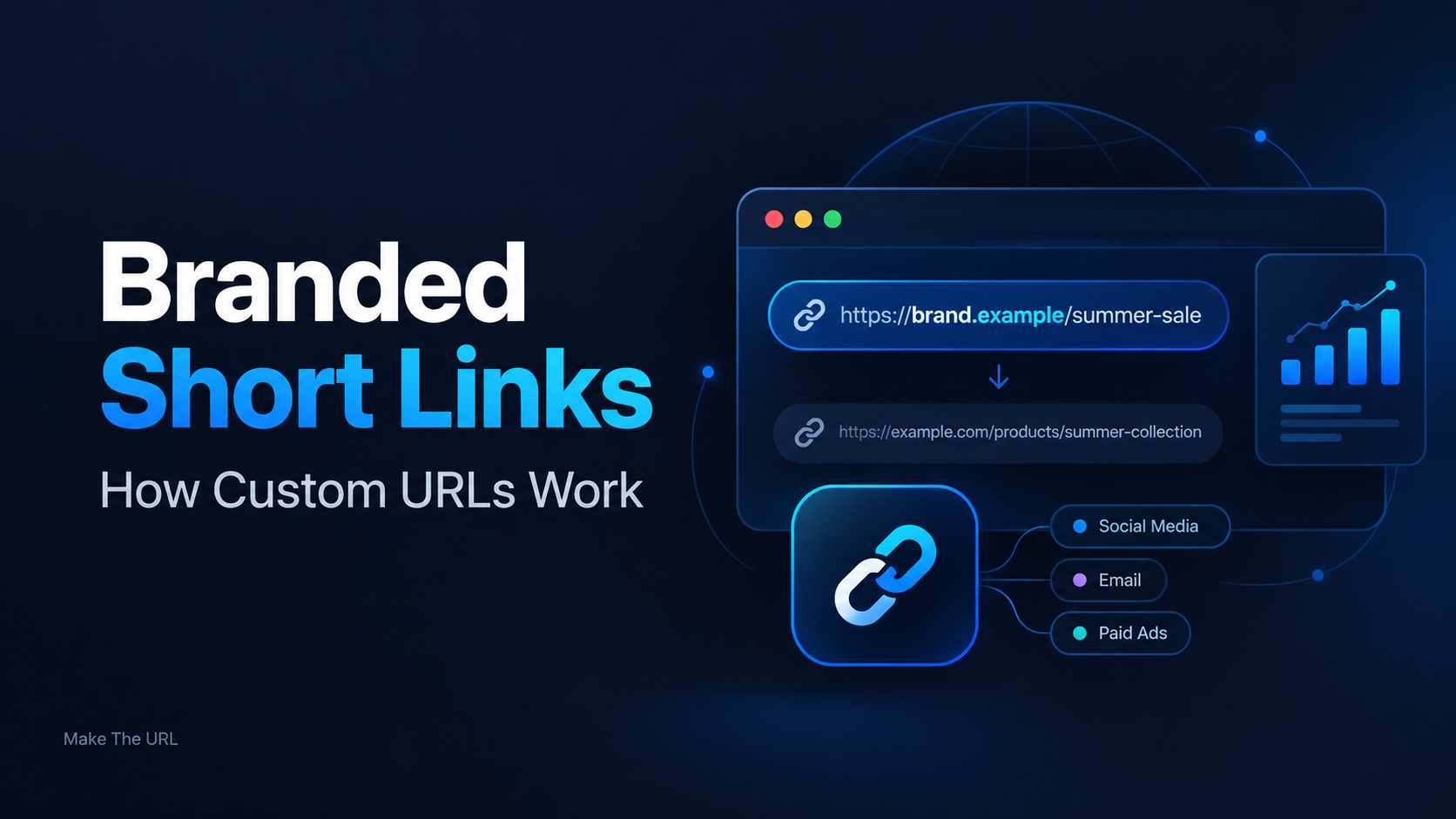
A branded short link creator is a tool or system that allows users to create shorter URLs while incorporating a recognizable brand, domain, or custom identifier into the link. Instead of sharing a long URL containing multiple parameters, folders, tracking codes, or other technical information, a branded short link can provide a simpler structure that is easier to read and remember.
For example, a traditional URL might contain a long path with several parameters:
https://example.com/products/category/product-name?campaign=social&utm_source=platform&utm_medium=post
A shortened version could use a simpler structure such as:
https://brand.example/sale
The purpose of a branded short link is not simply to reduce the number of characters. It can also create a consistent naming structure for links used across websites, social media, email campaigns, printed materials, presentations, and other communication channels. The exact features available depend on the URL shortening system being used.
The concept is particularly useful when the original destination URL is difficult to communicate. Long URLs can contain technical parameters that are useful for analytics or website functionality but are not necessarily useful to the person receiving the link. A branded short link can separate the technical destination from the visible link that users interact with.
Make The URL can be used as an example of a service associated with the broader concept of creating and managing shortened URLs. However, understanding branded links does not require using a particular service. The important concepts are the domain structure, short path, destination URL, link management, and the way the resulting URL is presented to an audience.
How Do Branded Short Links Work?
At a technical level, a shortened URL generally works through a redirect. When someone visits a short URL, the shortening system identifies the corresponding short-link record and redirects the visitor to the original destination. The visitor therefore interacts with a short URL while the underlying destination can remain much longer.
A simplified process looks like this:
A user enters a destination URL.
The system generates a short-link identifier.
The identifier is associated with the destination URL.
The resulting short URL is shared.
A visitor opens the short URL.
The system processes the request.
The visitor is redirected to the destination.
A branded implementation adds another layer to the visible URL. Instead of using a generic shortening domain, the short link can use a recognizable domain or domain structure. For example, a company could use a dedicated domain for its short links and create paths such as /guide, /event, or /offer.
The redirect itself is only one part of the system. Depending on the implementation, a branded short link platform may also provide link editing, click statistics, campaign organization, expiration settings, QR code generation, or other management features. These capabilities should not be assumed to exist in every branded URL shortening service, so users should evaluate the actual functionality available from the system they choose.
A branded short link creator therefore combines several concepts: URL shortening, redirection, custom naming, domain management, and potentially analytics. Understanding these components makes it easier to determine whether branded links are appropriate for a particular project.
Why Use Branded Short Links?
One of the most obvious benefits of a branded short link is readability. A short URL can be easier to recognize than a long address containing numerous characters and parameters. When a link is displayed in a social media post, presentation, advertisement, email, or printed document, a compact structure can make the destination easier to understand at a glance.
Another consideration is memorability. A path such as brand.example/event may be easier for someone to remember than a randomly generated sequence of characters. This can be useful when links are communicated verbally, printed on physical materials, or included in presentations where users may not be able to click directly.
Branded links can also contribute to consistency. Organizations often distribute links across multiple channels. Using a consistent domain and naming structure can make links easier to organize internally and easier for audiences to recognize. This does not guarantee higher engagement or better performance, but it can provide a more structured approach to link management.
The value of a branded short link depends heavily on how it is implemented. A short URL with an unclear or misleading path may not provide the same clarity as a descriptive one. For this reason, link naming should be considered alongside the overall communication strategy rather than treating URL shortening as an automatic improvement.
Branded Short Links vs. Regular Short Links
Regular short links typically use a shortening domain provided by the URL shortening service. The link may contain a short identifier generated automatically, such as a sequence of letters and numbers. These links can be useful when the primary requirement is simply reducing URL length.
Branded short links introduce a recognizable domain or custom naming structure. For example, instead of a generic short-link domain followed by a random identifier, a branded implementation may use a domain associated with an organization and a meaningful path.
The distinction can be summarized as follows:
| Feature | Regular Short Link | Branded Short Link |
|---|---|---|
| Shorter URL | Yes | Yes |
| Custom domain | Usually limited | Often supported |
| Custom path | Depends on service | Common feature |
| Brand recognition | Limited | Potentially stronger |
| Memorability | Depends on identifier | Can be improved with meaningful paths |
| Management features | Service dependent | Service dependent |
| Analytics | Service dependent | Service dependent |
Neither approach is automatically appropriate for every situation. A personal project may only need a basic shortening mechanism, while an organization managing multiple campaigns may benefit from a more structured domain and naming system.
The important consideration is the purpose of the link. If the main goal is simply reducing URL length, a conventional short link may be sufficient. If the goal includes maintaining a recognizable domain and organized naming structure, a branded approach may be worth considering.
How to Create a Branded Short Link
Creating a branded short link generally begins with selecting the destination URL. This is the page that visitors should reach after clicking the shortened address. Before creating the link, it is useful to verify that the destination is correct, accessible, and appropriate for the audience.
The next step is choosing the visible structure of the short link. If a custom domain is available, it should be recognizable and easy to type. The path can then be designed around the purpose of the link. Examples might include:
/guide/event/pricing/webinar/report/launch
Short paths are generally easier to communicate, but they should still provide enough context to distinguish one link from another. Avoid unnecessarily complicated combinations of characters when a simple descriptive word is available.
After creating the short link, test it before publishing. Open the URL in a normal browser and verify that it redirects to the intended destination. If the link is being used in multiple environments, testing on both desktop and mobile devices can also be useful.
For links associated with campaigns, organizations may also want to establish a consistent naming convention. For example, different campaign types could follow a predefined structure such as /event-name, /product-name, or /content-name. A naming convention makes a collection of links easier to understand and maintain over time.
Best Practices for Branded Short Links
A good branded short link should be clear, concise, and relevant to its destination. If a user sees the link before clicking it, the visible path should ideally provide some indication of what they will find. This does not mean the path must describe the entire destination, but it should avoid creating unnecessary ambiguity.
Consistency is another important consideration. If several links belong to the same organization or campaign, using similar naming conventions can make them easier to manage. For example, a team might decide to use lowercase words, hyphens between terms, and descriptive campaign names.
Avoid using sensitive information in a URL. Short links are often visible in screenshots, browser histories, analytics systems, emails, and other places. Personal information, authentication credentials, private identifiers, or confidential information should never be placed directly into a publicly accessible URL.
It is also important to keep the destination page relevant to the visible short-link name. A link called /guide should not unexpectedly lead to an unrelated page. Consistency between the visible URL and the destination helps users understand what to expect.
Branded Short Links for Marketing and Content Distribution
Branded short links can be used in many forms of digital communication. Marketing teams may include them in social media posts, email newsletters, digital advertisements, presentations, landing pages, or campaign materials.
One practical use is campaign organization. Instead of repeatedly sharing long URLs with tracking parameters, a team can create shorter links that correspond to specific campaigns or pieces of content. The underlying destination can still contain the required tracking information when appropriate.
Branded links can also be useful for offline communication. A long URL printed on a poster or displayed during a presentation can be difficult to type manually. A shorter, recognizable URL can reduce the amount of text that users need to enter.
QR codes provide another related use case. A QR code can point to a short URL rather than directly to a long destination address. If the short-link system supports appropriate management features, the destination may also be easier to maintain without changing the visible QR code.
However, a branded short link should not be viewed as a substitute for good content or campaign design. The link is only one component of the user journey. The destination page, message, accessibility, loading speed, and relevance of the content remain important factors.
Tracking and Analytics Considerations
Some branded short link systems provide click tracking and analytics. These features can help users understand how links are being accessed and which distribution channels generate traffic. Available metrics vary by platform, so it is important to understand exactly what data is collected and how it is presented.
Common analytics may include the number of clicks, referring source, approximate geographic information, device category, or time-based activity. However, analytics capabilities should not be assumed to be identical across different services.
Privacy should also be considered when using link tracking. Organizations should understand what information is collected, how long it is retained, who can access it, and whether the tracking approach complies with applicable privacy requirements.
Analytics are most useful when they answer a specific question. For example, a team might want to understand whether a particular campaign link is receiving traffic. Collecting large amounts of data without a defined purpose can make reporting more complicated rather than more useful.
Common Mistakes When Creating Branded Short Links
One common mistake is making the short path too complicated. Although the purpose of URL shortening is to create a simpler address, a path containing numerous words, numbers, and symbols can reduce the practical benefit.
Another mistake is using ambiguous names. A path such as /x12 may technically be short, but it provides little context. When links need to be identified later, descriptive naming can make management easier.
Users should also avoid creating links without testing them. A typo in the destination URL or an incorrectly configured redirect can cause visitors to encounter an error or reach the wrong page. Testing before publication is a simple step that can prevent avoidable problems.
A further consideration is link longevity. If a short URL is printed on a physical product, poster, document, or business card, changing or disabling the link later may create problems. Before distributing a permanent-looking short URL, consider how long it needs to remain active.
How to Choose a Branded Short Link Creator
When evaluating a branded short link creator, start by identifying the actual requirements. A basic project may only need URL shortening and custom paths. A larger project may require custom domains, analytics, QR codes, link organization, access controls, or other management features.
Domain support is another important factor. If using a branded domain is a requirement, verify how the service handles custom domains, DNS configuration, HTTPS, redirects, and domain ownership. These technical requirements can differ between providers.
It is also worth considering link management. If a project is expected to create dozens or hundreds of short links, the ability to search, organize, edit, archive, or monitor links may become more important than the basic shortening function.
Make The URL is one example within the broader category of branded and shortened URL tools. When evaluating any service, including Make The URL, users should review its current documentation and available functionality rather than relying solely on general descriptions of URL shortening.
Frequently Asked Questions
What is a branded short link?
A branded short link is a shortened URL that uses a recognizable brand-related domain, custom domain, or naming structure. It provides a shorter and potentially more memorable alternative to a long destination URL.
Are branded short links better than normal URLs?
They serve different purposes. A branded short link can make a long URL shorter and easier to communicate, while a normal URL directly exposes the website's destination structure. The appropriate choice depends on the context and requirements.
Can a branded short link be customized?
Many URL shortening systems allow some level of customization, such as custom domains or custom paths. The exact options depend on the service being used.
Can branded short links be tracked?
Some services provide analytics for shortened links, including click counts and other information. Tracking capabilities vary, so users should review the specific analytics and privacy features offered by their chosen platform.
Are branded short links useful for social media?
They can be useful where character space, readability, or presentation is important. A short, recognizable link may also be easier to include in posts, profiles, or other social media content.
What should a branded short link look like?
A practical branded short link is usually short, readable, relevant to its destination, and consistent with the naming conventions used for other links. Avoid unnecessary characters and sensitive information.
Conclusion
A branded short link creator provides a way to simplify long URLs while adding a recognizable naming structure to the links being shared. The underlying technology generally relies on redirects, while additional features such as custom domains, analytics, campaign organization, and QR codes may be available depending on the platform.
The usefulness of branded links comes from their practical application rather than from URL shortening alone. A carefully structured link can be easier to communicate, remember, organize, and distribute across different channels.
Whether the link is created for a marketing campaign, educational resource, event, social media post, presentation, or general web content, the same principles apply: use clear naming, avoid sensitive information, test redirects before publishing, maintain consistency, and understand how the selected platform handles domains, analytics, privacy, and link management.
Make The URL can be considered as one example when researching branded short link creation, but the broader principles apply to URL shortening systems in general. The most important step is to understand the requirements of the project and choose a link structure that remains clear and manageable over time.